

How to Choose the Right Physical Therapist for ACL Reconstruction Rehab

Updated: Mar 22
For athletes — and anyone who wants to return to life without limitations
An ACL reconstruction is a big deal. Whether you’re an athlete trying to get back to sport or an active adult who just wants to trust your knee again, the rehab process will matter just as much as the surgery itself.
Not all ACL rehabilitation is created equal. The physical therapist you choose can be the difference between simply “being cleared” and actually being ready. Here’s what to look for when choosing a physical therapist after ACL reconstruction.
✅ 1. A Structured, Progression-Based Rehab Framework (Not Just a Timeline)
High-quality ACL rehab should be criteria-based, not calendar-based.
While time since surgery matters, it should never be the sole driver of progression. A skilled physical therapist uses a structured framework that advances you based on:
strength development and symmetry
movement quality
control during higher-level tasks
tolerance to progressive loading
Athletes and active adults both benefit from this approach. It ensures that running, jumping, cutting, and even demanding daily tasks are introduced when your knee is ready — not when the calendar says so.
If your rehab feels random or identical week-to-week, that’s a red flag.
✅ 2. A Strong Training and/or Strength & Conditioning Background
ACL rehab is not just physical therapy — it’s performance rebuilding.
A therapist with experience in strength training and conditioning understands:
how to load the knee safely and progressively
how to rebuild muscle mass and force output
how to transition rehab exercises into real-world and sport-specific demands
This matters for athletes returning to sport and adults returning to work, recreation, or higher-demand lifestyles. The knee must tolerate load — and your therapist should know how to build that capacity intelligently.
✅ 3. Objective Measurement of Strength, Power, and Readiness
One of the biggest mistakes in ACL rehab is relying on subjective measures alone.
You want a therapist who objectively tracks:
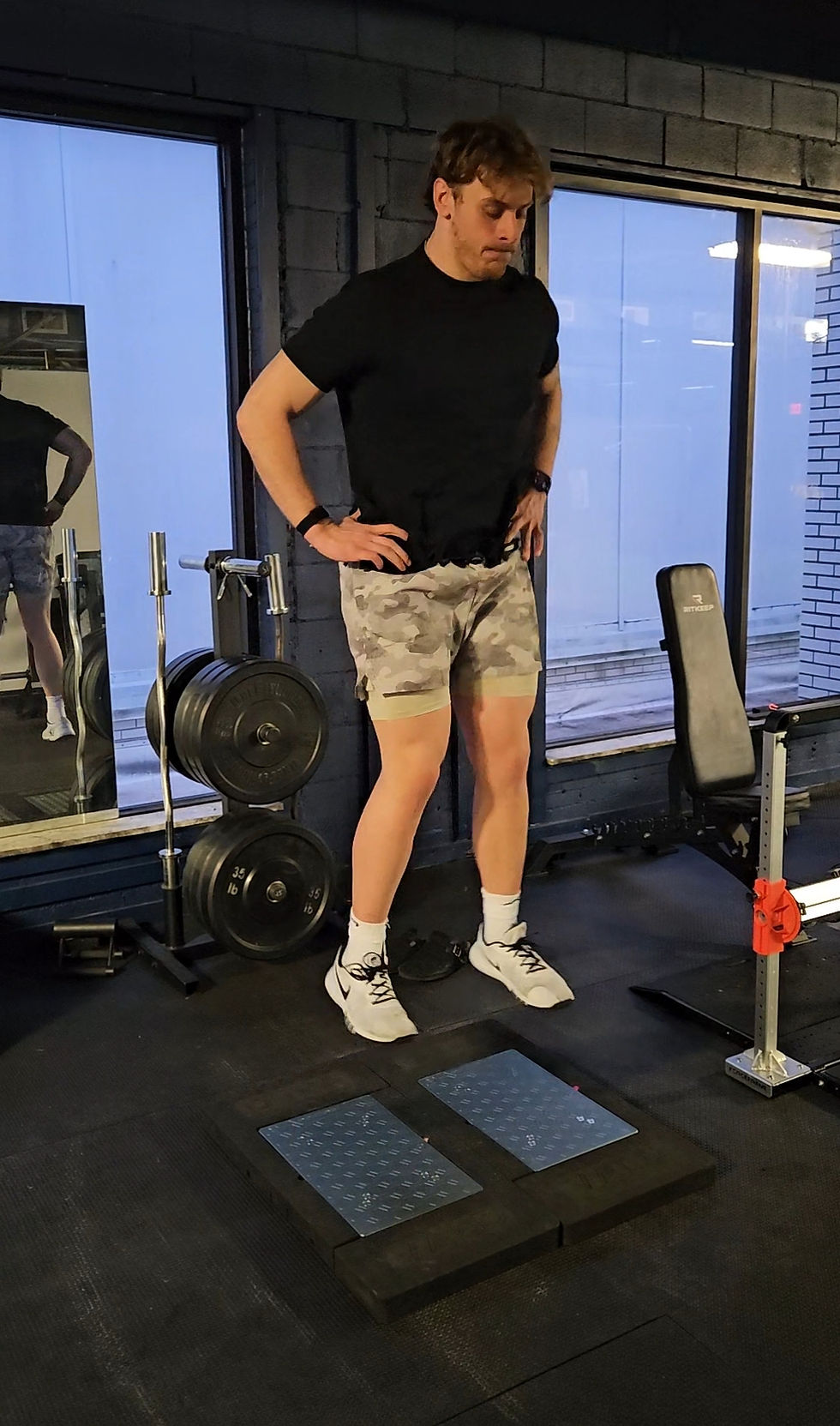
📌 Strength testing using dynamometry or similar tools
📌 Functional hop tests and symmetry checks
📌 Performance metrics like power output, movement quality scoring, and agility assessments
📌 Return-to-sport batteries that evaluate strength, balance, and mechanics
Swelling checks, pain levels, and manual muscle testing are not enough by themselves — especially for athletes or highly active individuals. Objective data helps determine true readiness, not just how things “look” or “feel.”
⚠️ 4. Understanding the Difference Between Medical Clearance and Functional Clearance
This is critical — and often misunderstood.
Surgeons may provide medical clearance based on tissue healing timelines and imaging. That does not always mean your knee is functionally ready for running, cutting, or sport.
A physical therapist provides functional clearance, which considers:
strength and symmetry
movement quality
neuromuscular control
tolerance to sport- or life-specific demands
Returning to running or sport before functional readiness dramatically increases reinjury risk. Even if your surgeon says “you’re cleared,” you should always wait for your physical therapist’s clearance before progressing activity.
The goal isn’t just to return — it’s to return safely and confidently.
✅ 5. Clear Communication and Education at Every Step
You should never feel lost during ACL rehab.
A great physical therapist consistently explains:
✔ A clear understanding of why you’re doing each exercise
✔ What the next goal is
✔ What progress looks and feels like
✔ Answers to your questions about timelines, expectations, and setbacks
Athletes need clarity. Adults balancing work, family, and rehab need clarity. If you leave sessions unsure of what’s happening or why, something is missing.
Final Thoughts
ACL reconstruction rehab is not about checking boxes or racing the clock. It’s about restoring strength, control, and confidence — for sport, work, and life.
Choosing a physical therapist with a structured framework, performance training knowledge, objective testing, and clear communication gives you the best chance to return stronger, safer, and more prepared than before.
If you’re unsure whether your current rehab is truly preparing you for what’s next, that’s a conversation worth having. Please reach out to our physical therapy office in Cranberry Township, PA, just north of Pittsburgh, to discuss your rehab.


Comments