

ACL Recovery: Why 9 Months Is the Bare Minimum

One of the biggest misconceptions after ACL reconstruction is that recovery is a 6-month process.
For athletes who want to return to cutting, jumping, pivoting, and contact sports, current evidence suggests that 9 months is the minimum, and many athletes may need 12-16 months before they're truly back to their previous level of performance.
Why?
Because ACL recovery isn't just about healing a ligament. It's about rebuilding the entire athletic system.
Research from the Delaware-Oslo ACL Cohort found that for athletes returning to pivoting sports, each month return to sport was delayed up to 9 months reduced reinjury risk by 51%. Athletes who returned before meeting objective criteria had substantially higher reinjury rates.
At the same time, restoring quadriceps strength, muscle mass, power production, sprinting ability, deceleration capacity, and confidence takes far longer than most people expect. Even when the knee feels "good," athletic qualities often remain significantly below pre-injury levels.
Phase 1: Homeostasis Restoration (0-8 Weeks)
The goal isn't getting stronger yet—it's getting your knee back.
Key priorities include:
Reducing pain and swelling
Restoring full knee extension and range of motion
Improving quadriceps activation
Normalizing gait mechanics
Regaining confidence in daily activities
Without restoring these basics, later stages become much more difficult.
Phase 2: Athletic Foundation (2-6 Months)
This is where real rehabilitation begins.
The focus shifts toward rebuilding the physical qualities lost after injury and surgery:
Strength development
Muscle hypertrophy
Single-leg control
Landing mechanics
Running progression
Foundational jumping and athletic movements
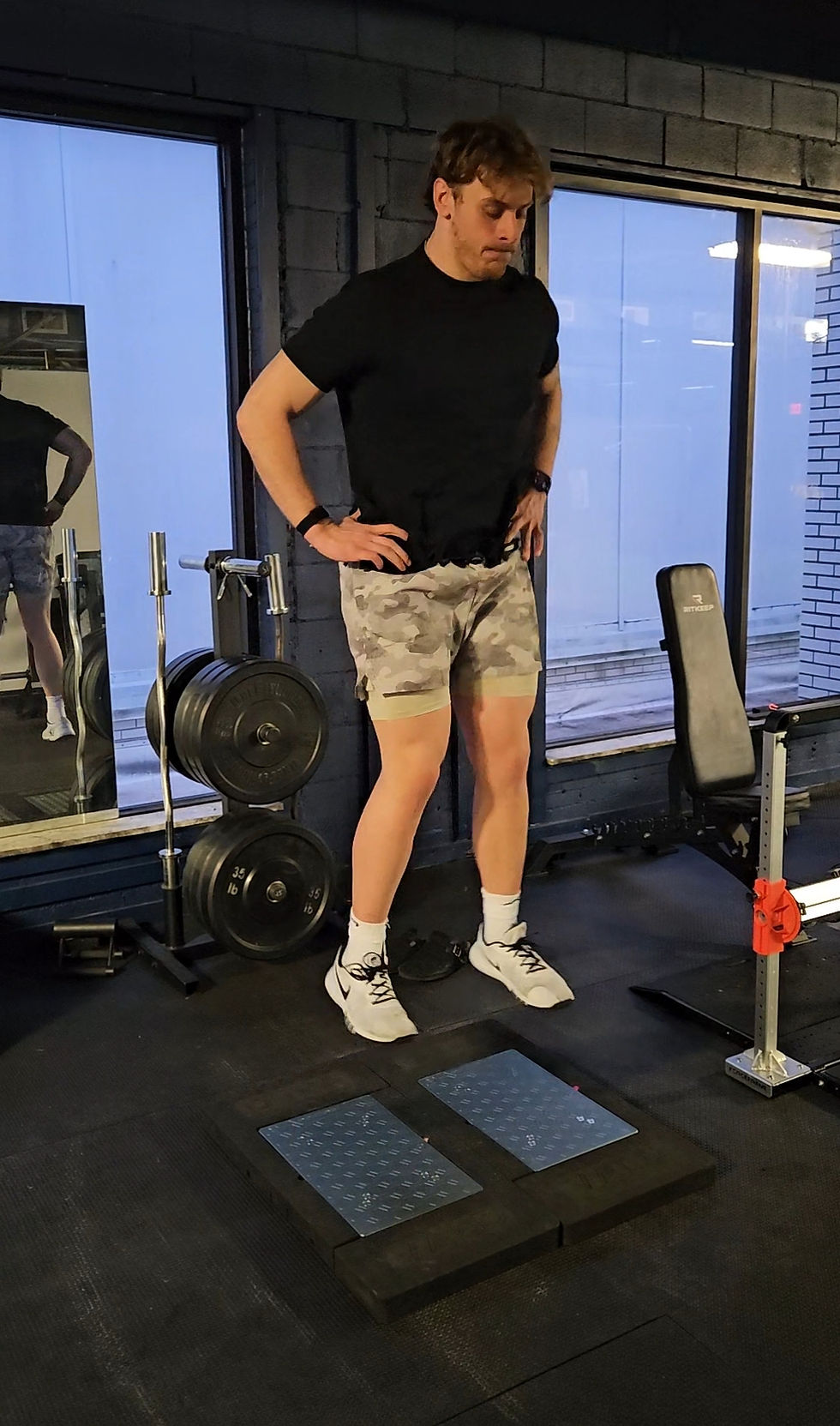
Many athletes feel "normal" during this phase, but objective testing often reveals substantial deficits in strength and power compared to the uninvolved side. This is why feeling ready and being ready are often very different things.
Phase 3: Athletic Realization (6-16 Months)
Now we start preparing for the actual demands of sport.
This phase includes:
Advanced plyometrics
Change-of-direction training
Sprinting and acceleration work
Reactive and chaotic drills
Position-specific skills
Practice and scrimmage progressions
Continued strength and power training
The goal isn't simply returning to sport. The goal is returning to sport with the physical capacity to perform and stay healthy.
Physical Therapy Is Not the Finish Line
One of the biggest mistakes athletes and parents make is assuming that being discharged from traditional physical therapy means being ready for sport.
In reality, many athletes complete traditional rehabilitation around 4-6 months after surgery because they've regained adequate range of motion, normal walking mechanics, and the ability to perform daily activities. The knee may feel good—but sport demands far more than feeling good.
Returning to soccer, basketball, football, lacrosse, wrestling, or other cutting and pivoting sports requires high levels of:
Quadriceps and hamstring strength
Single-leg force production
Landing and deceleration ability
Change-of-direction tolerance
Sprinting and acceleration capacity
Power and explosiveness
Sport-specific conditioning
Confidence under game-speed conditions
These qualities take months to develop after the foundation of rehabilitation has been established. Research consistently demonstrates that strength deficits often persist at both 6 and 12 months after ACL reconstruction, even after formal rehabilitation has ended.
This is why the gap between "physical therapy" and "return to sport" is so important.
At RPE Physical Therapy and Performance in Cranberry Township, our ACL athletes don't simply progress from rehab to waiting. They progress from rehab to performance training.
The goal isn't just to get back on the field. The goal is to return stronger, more confident, and better prepared for the demands of competition.
The Bottom Line
For most athletes, returning to unrestricted sport before 9 months is difficult to justify based on current evidence.
More importantly, recovery should be based on objective measures of strength, power, movement quality, and sport readiness—not just time since surgery.
While some athletes return around 9-12 months, others may require 14, 15, or even 16 months to regain the physical qualities needed for their sport. That's not a setback—it's often exactly what high-level recovery requires.
The ACL may heal on a biological timeline. Returning to your previous level of athletic performance takes much longer.


Comments