

Sports Physical Therapy vs. Orthopedic Physical Therapy: Why the Difference Matters

When most people hear the term physical therapy, they assume it's the same regardless of the injury. Whether it's a sprained ankle from basketball, a torn ACL, or a knee replacement, many people believe every physical therapist approaches rehabilitation in the same way.
The truth is, they don't.
While every licensed physical therapist receives training in evaluating and treating musculoskeletal injuries, not every physical therapist specializes in sports physical therapy or helping athletes safely return to sport. Just as you wouldn't expect every physician to perform heart surgery, not every physical therapist has the same training, experience, or treatment philosophy when it comes to athletic performance.
Understanding the difference between sports physical therapy and orthopedic physical therapy can have a significant impact on your recovery, your confidence, and your ability to return to the activities you love.
What Is Orthopedic Physical Therapy?
Orthopedic physical therapy focuses on evaluating and treating injuries and conditions involving muscles, joints, tendons, ligaments, and bones.
Orthopedic physical therapists commonly treat:
Back and neck pain
Arthritis
Joint replacements
Tendonitis
Rotator cuff injuries
Sprains and strains
Post-operative rehabilitation
General balance and mobility impairments
The primary goal is often to reduce pain, improve mobility, restore strength, and help patients return to everyday life.
For many people, that means being able to walk comfortably, climb stairs, garden, work, or play with their children again. Those are incredibly important goals, and orthopedic physical therapists are highly skilled at helping patients achieve them.
But for an athlete, "normal function" usually isn't enough.
What Is Sports Physical Therapy?
Sports physical therapy builds upon orthopedic rehabilitation but takes recovery much further. The objective isn't simply getting rid of pain or restoring normal movement.
The goal is helping athletes return to sport with the speed, power, endurance, coordination, confidence, and resilience their sport demands.
Think about the physical demands of different athletes:
A soccer player repeatedly accelerates, decelerates, and cuts at high speed.
A baseball pitcher generates tremendous rotational force through the entire body.
A volleyball player lands from dozens of jumps every practice.
A wrestler must tolerate unpredictable forces while maintaining balance and body control.
A runner experiences thousands of impacts with every training session.
These demands require much more than basic strengthening exercises.
Sports rehabilitation often includes:
Progressive strength training
Plyometric workouts
Sprinting and acceleration work
Change-of-direction drills
Landing mechanics
Power development
Sport-specific conditioning
Advanced performance testing
Return-to-sport decision making
The athlete isn't simply recovering from injury—they're preparing their body to withstand the demands of competition again.
Pain-Free Doesn't Mean Game-Ready
One of the biggest misconceptions in sports injury rehabilitation is believing that pain disappearing means the injury is fully healed.
Pain is only one piece of the puzzle.
An athlete may feel perfectly fine walking, jogging, or lifting light weights, yet still lack the strength, power, coordination, or tissue capacity required for competition. This is often why athletes return too early and suffer another injury.
A sports physical therapist asks different questions:
Can this athlete absorb force safely?
Can they produce force quickly?
Can they change direction without compensating?
Do they have the endurance to perform for an entire game?
Have they regained confidence in the injured limb?
Are both sides functioning similarly?
These questions are difficult to answer by simply watching someone walk into the clinic.
The Importance of Objective Testing
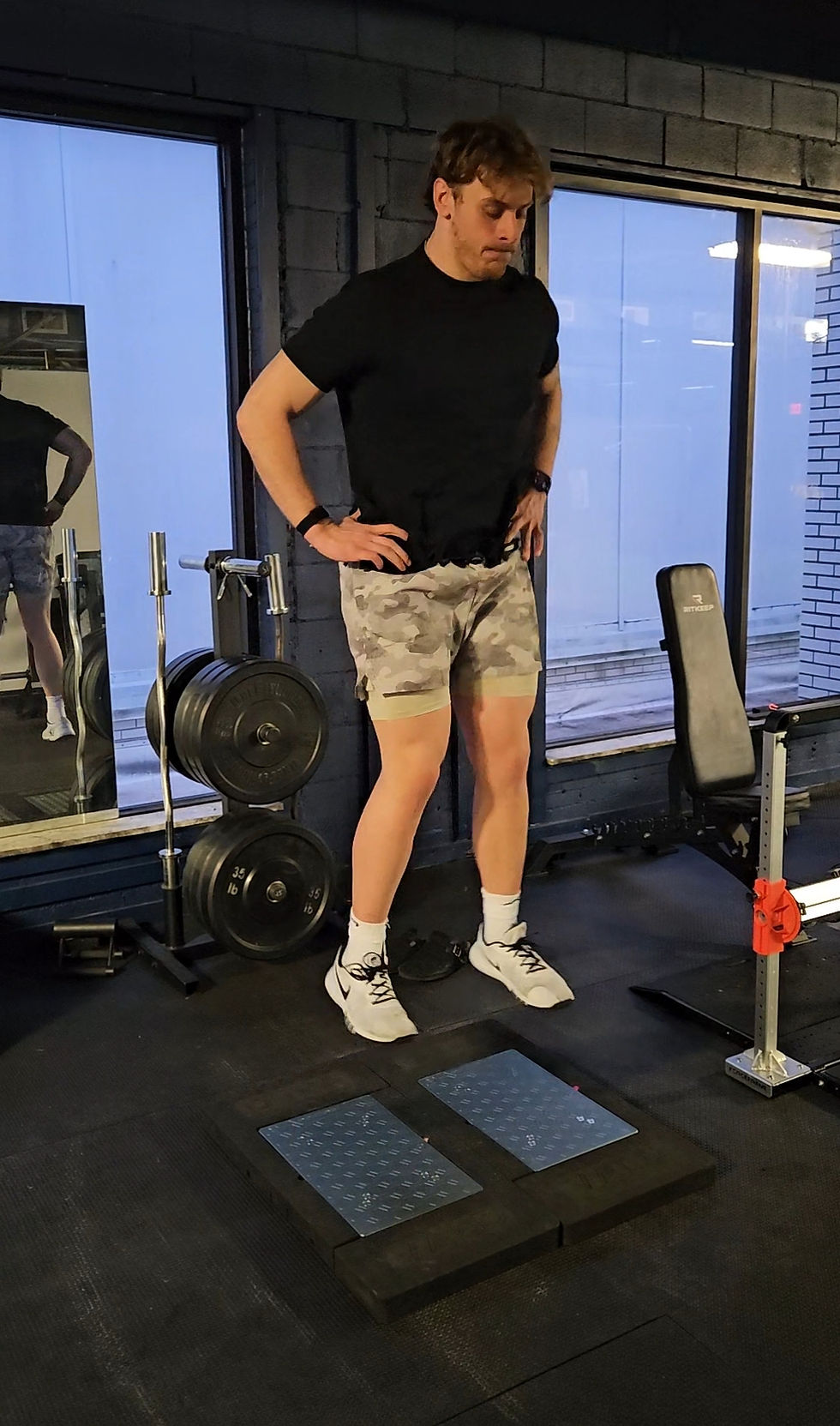
One of the defining features of high-quality sports physical therapy is the use of objective measurements.
Rather than relying solely on how someone feels, sports physical therapists measure performance using standardized testing whenever possible.
Examples include:
Single-leg hop testing
Jump performance
Limb symmetry measurements
These tests provide measurable data that help determine whether an athlete is truly ready to return to sport.
Instead of guessing, clinicians can make informed decisions based on objective performance.
Strength Training Is Rehabilitation
Many people separate rehabilitation from strength training. In reality, the two should blend together—especially during physical therapy for sports injuries.
Sports rehabilitation often looks surprisingly similar to a well-designed strength and conditioning program.
Heavy resistance training, explosive lifting, jumping, sprinting, and controlled exposure to sport-specific movements are often essential parts of recovery.
The difference is that every exercise is carefully selected and progressed based on the athlete's injury, healing timeline, and current abilities.
The goal isn't simply to make someone stronger. It's to prepare their body for the exact demands they'll face when they return to competition.
Returning to Sport Is More Than Being Cleared
Being medically cleared and being physically prepared are not always the same thing.
Medical clearance often means the injured tissue has healed enough that participation is considered reasonably safe.
Sports readiness asks a different question:
Can this athlete perform at full intensity while minimizing their risk of reinjury?
That's where sports physical therapy stands apart.
The final stages of rehabilitation should closely resemble the physical demands of the sport itself. As rehabilitation progresses, the gap between therapy and competition should become smaller and smaller.
If an athlete's rehabilitation never advances beyond basic exercises and resistance bands, there may be a significant gap between what they practiced in the clinic and what they'll be asked to do during competition.
How to Choose a Sports Physical Therapist
Not every athlete needs a sports specialist, but if your goal is returning to competitive sports, recreational leagues, or high-level training, it's worth asking a few important questions before beginning rehabilitation.
Consider asking:
Do you regularly treat athletes in my sport?
How do you determine when someone is ready to return to play?
Do you perform objective strength or return-to-sport testing?
Will rehabilitation include strength training, jumping, sprinting, or agility when appropriate?
How do you reduce the risk of reinjury after I return?
The answers can provide valuable insight into whether the clinic's approach matches your goals.
The Bottom Line
Orthopedic physical therapy and sports physical therapy share the same foundation, but they often have very different destinations.
Orthopedic rehabilitation focuses on restoring normal function and helping people return to everyday activities.
Sports physical therapy aims to restore the qualities that make athletic performance possible—strength, power, speed, endurance, coordination, and confidence—while preparing the body for the demands of competition.
If your goal is simply to live without pain, many physical therapists can help you get there.
But if your goal is to return to cutting, sprinting, jumping, lifting, competing, or performing at your highest level, finding a sports physical therapist who understands the demands of athletic performance can make all the difference.
Recovery isn't just about getting back.
It's about getting back prepared.


Comments