

Hamstring Rehab for Athletes

Hamstring strains are one of the most common—and most recurrent—injuries in sport. The issue usually isn’t effort in rehab… it’s missing key pieces that actually prepare athletes for real demands.
How Hamstring Strains Happen
1. Sprinting (Most Common) Terminal swing phase → hamstring is lengthened + contracting at high speed.
2. Stretch-Type Injuries High kicks, splits, grappling positions → extreme length + load (often proximal tendon).
3. Change of Direction Deceleration and cutting → rapid force absorption.
What Good Rehab Needs
Not just “strength”—you need to restore:
Length (end-range positions)
Load (high force output)
Velocity (speed)
Progression:
Early: isometrics + movement
Mid: strength training + pain-free plyometrics
Late: heavy lifts + sprinting
What Rehab Commonly Misses
This is why re-injuries happen:
No end-range loading → (fix: long-lever work, RDLs)
No true sprint exposure → (must hit 95%+ speed)
Not enough eccentric strength → (HEAVY and slow)
Not directly loading hamstrings under velocity → (drop and catch, sliders, jumps)
Bridging Rehab → Training
This is where athletes are usually underprepared.
Strength:
RDL → heavy deadlifts
Power:
Jumps, bounds, explosive work
Sprint Progression (critical):
Tempo → build-ups → high-speed → max sprinting
If they haven’t sprinted near max… they’re not ready.
Return to Sport Checklist
Athletes should be able to:
Show <5% strength asymmetry
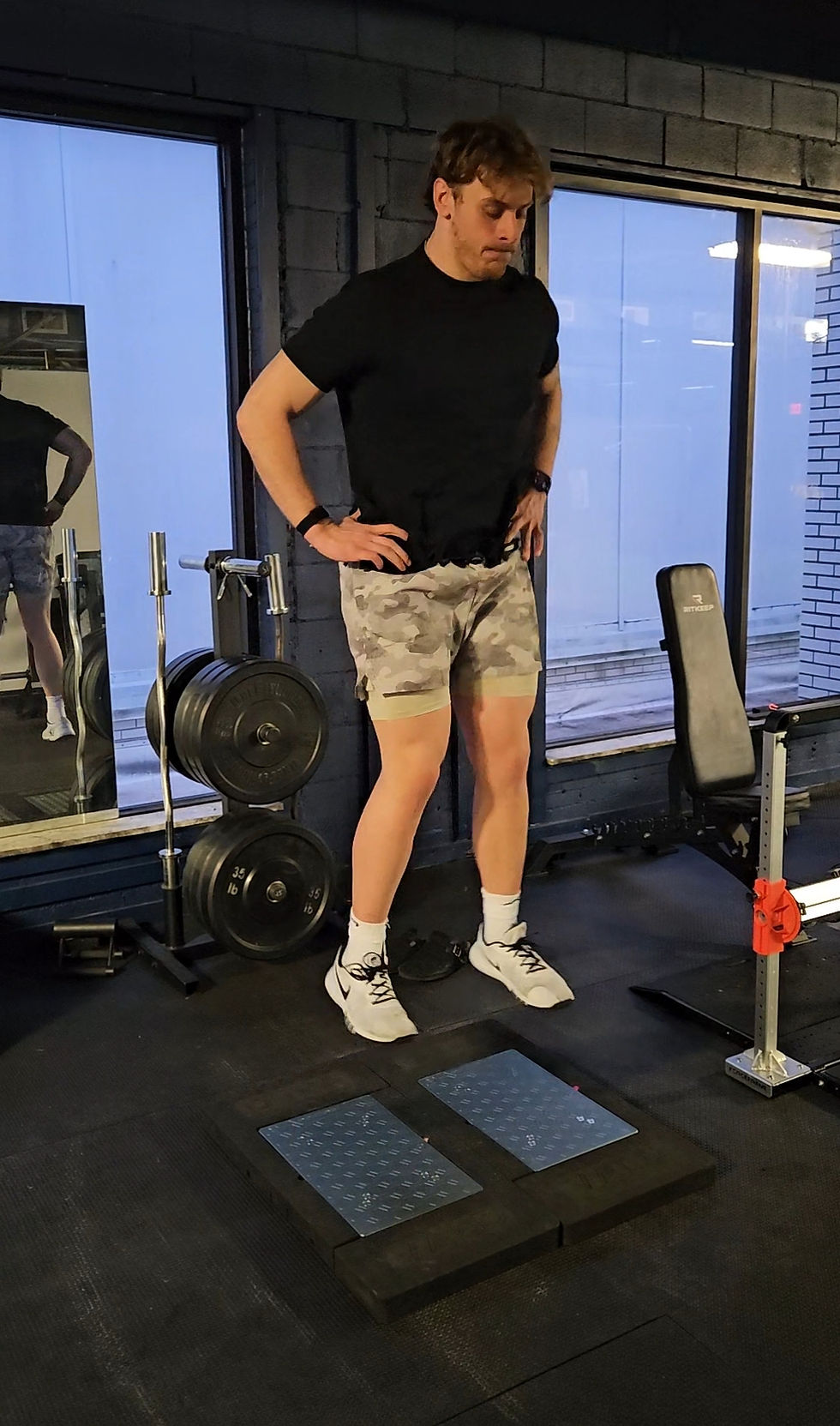
Perform single-leg strength work with control
Pass hop tests (within ~5%)
Sprint at 90–95%+ without symptoms
Handle repeated sprint efforts
Bottom Line
Hamstring rehab fails when it avoids:
End-range loading
High-speed work
Sprinting
Clearance shouldn’t be based on being pain-free—it should be based on being performance-ready.


Comments